
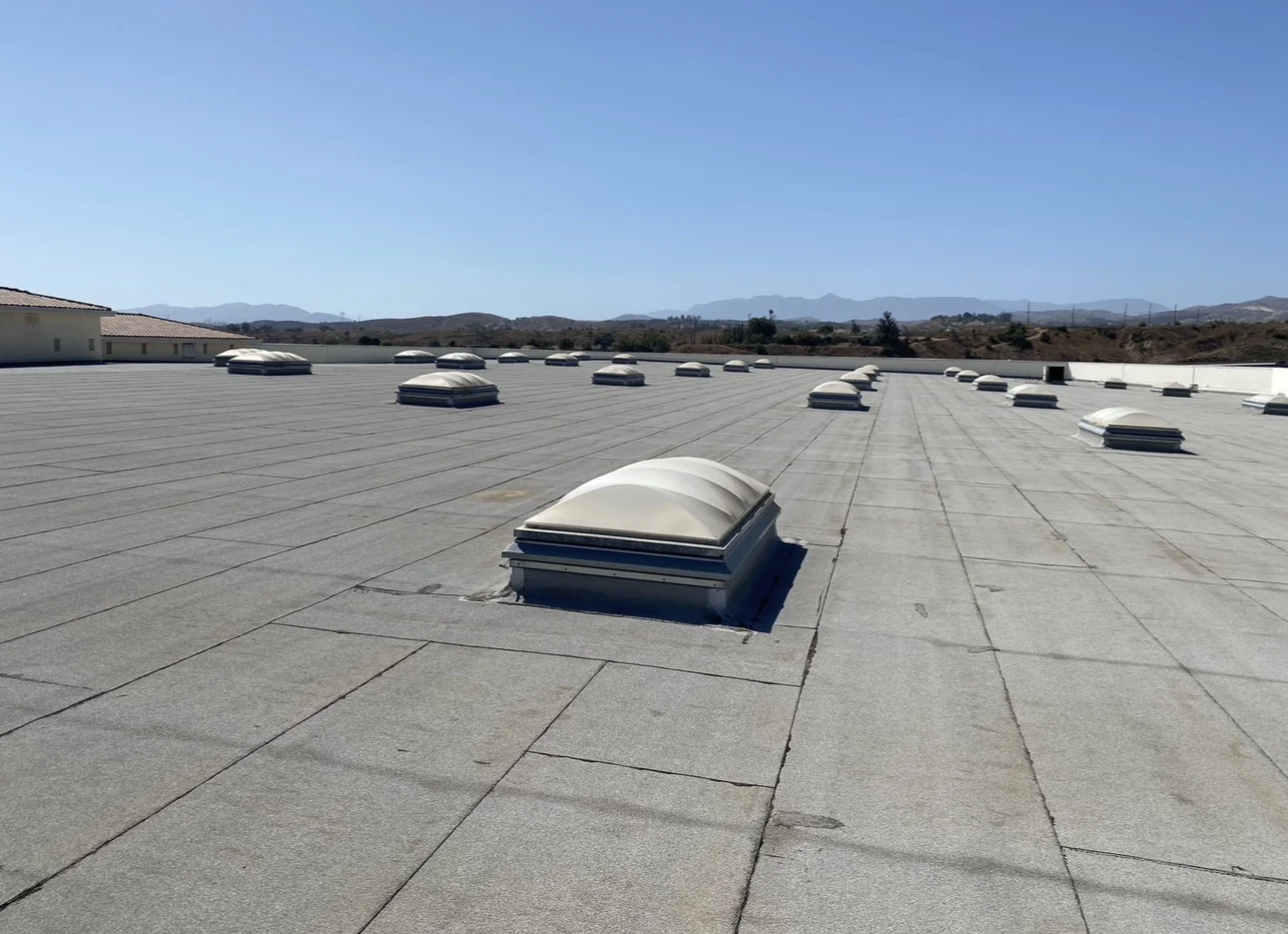
Solar Panel Removal & Reinstall for a Roof Replacement in San Diego (2026 Costs)
San Diego adopted rooftop solar earlier and harder than almost anywhere in the country, which means a very common situation in 2026: a 20-year-old roof underneath a 10-year-old solar array. The roof needs replacing, the panels are still producing, and every bid you get quotes the solar work differently. This guide explains exactly how a detach and reset works here, what it costs, and where homeowners lose money.
What "detach and reset" actually includes
- Shutdown and lockout of the DC and AC sides at the inverter and disconnect — done before a single panel is touched.
- Panel and rail removal, with modules labeled by string and stored on-site (padded racks, never stacked face-down on the driveway).
- Standoff and flashing removal, which is where the old leaks usually are — lag bolts through decking with a rubber-gasket flashing that dried out years ago.
- Full roof replacement across the entire plane, including the area that was hidden under the array.
- Reinstall on new penetrations with proper flashed mounts, then re-wire, re-commission, and confirm production on the monitoring app before we leave.
2026 detach-and-reset cost in San Diego
- Per-panel detach and reset: $85–$175 per module, depending on roof pitch, access, and mount type.
- Typical 18–24 panel residential array: $1,800–$3,600 on top of the roof price.
- Ground-level crane or lift (steep or two-story with poor access): $600–$1,200 added.
- New rails and flashed mounts when the original hardware is corroded or discontinued: $500–$1,500.
- Electrical re-commissioning by a licensed electrician: $350–$900 if your inverter or rapid-shutdown equipment needs to be re-certified.
Beware the bid that shows solar as a single vague line item like "solar handling — $900." On a coastal home with corroded hardware, that number is not real, and the shortfall shows up as a change order mid-job.
Permits and utility paperwork in San Diego County
A re-roof under an existing array is a roofing permit, not a new solar interconnection — as long as the system returns in the same configuration, same module count, and same inverter. Change any of those (add panels, swap to microinverters, relocate the array to a different plane) and you are into a new PV permit and an SDG&E interconnection revision, which adds weeks. If your goal is simply a new roof, keep the system spec identical and the paperwork stays simple.
One important 2026 note: homeowners on legacy NEM 2.0 should not expand or reconfigure the array during a re-roof. A same-configuration detach and reset preserves the existing agreement; a system modification can push you onto current billing rules. Confirm with your provider in writing before approving any change to module count.
Warranty traps that cost homeowners the most
- Panel warranty voided by an unqualified installer. Most module and racking warranties require work by a licensed contractor. Have the roofer state in the contract who performs the electrical scope and under what license.
- Roof warranty split across two companies. If a solar company detaches and your roofer installs, a future leak at a mount becomes a finger-pointing exercise. Single-contractor responsibility for both the roof plane and the penetrations is the only clean arrangement.
- Reusing old flashings. A new roof with 20-year-old mount flashings is not a new roof. Every penetration gets new, correctly flashed hardware.
- Leased or PPA systems. Third-party-owned systems usually require the leasing company's approved vendor to touch the panels. Start that approval two to four weeks before your roof date — it is the single most common cause of scheduling delays.
How long is my system offline?
For a standard San Diego single-family re-roof: panels come down on day one, roofing runs two to four days, panels return on the final day or the day after. Realistic total downtime is 3–6 days. Tile lift-and-relay or a large multi-plane roof can stretch to 7–10 days. In peak summer that is roughly 3–6% of a month's production — worth planning around, not worth panicking about.
Should you re-roof now or wait?
If your roof has 10+ years of honest life left, wait. If it has fewer than 8, do it now — because you pay the detach-and-reset cost either way, and paying it once is far cheaper than paying it for an emergency roof replacement after a leak destroys drywall and insulation. The worst outcome we see is a homeowner who spends $2,500 resetting panels onto a roof that needs replacing four years later.
Not sure where your roof stands? A free roof inspection gives you remaining-life numbers, or read when to re-roof and the warning signs of a failing roof.
Questions to ask any San Diego roofer bidding solar work
- Who physically removes the panels, and under what license?
- Is the per-panel price fixed, or does it change if hardware is corroded?
- Are new flashed mounts included, or are you reusing the old ones?
- Who warranties a leak at a solar penetration three years from now?
- Will you confirm production on my monitoring app before final payment?
Get a combined roof + solar reset quote
California First Roofing handles solar panel removal and reinstallation as part of a single roof replacement contract — one crew, one warranty, one point of accountability — across Poway, Chula Vista, El Cajon, Carlsbad, and every city in San Diego County. Price your project with the roof cost calculator or call (424) 777-1619 — email sales@californiafirstroofing.com. CSLB C-39 license #1094851.
Frequently Asked Questions
How much does it cost to remove and reinstall solar panels for a roof replacement in San Diego?
In 2026, detach and reset runs $85–$175 per module, so a typical 18–24 panel array adds $1,800–$3,600 to the roof price. Steep or two-story access, new rails, and electrical re-commissioning can add $500–$2,000 more.
How long will my solar system be offline during a re-roof?
Plan on 3–6 days for a standard San Diego single-family re-roof: panels come down on day one, roofing takes two to four days, panels go back on at the end. Tile lift-and-relay or large multi-plane roofs can run 7–10 days.
Do I need a new solar permit to re-roof under my panels?
No, as long as the array returns in the same configuration with the same module count and inverter — that is a roofing permit only. Adding panels or changing inverters triggers a new PV permit and an SDG&E interconnection revision.
Will re-roofing void my solar panel warranty?
Not if a licensed contractor performs the work and new flashed mounts are installed. Leased or PPA systems often require the leasing company's approved vendor, so get that approval two to four weeks before your roof date.
Can one contractor do both the roof and the solar reset?
Yes, and it is the arrangement we recommend. Single-contractor responsibility means a future leak at a solar mount is clearly covered instead of being disputed between your roofer and your solar company.
Related guides for San Diego · Roof Replacement
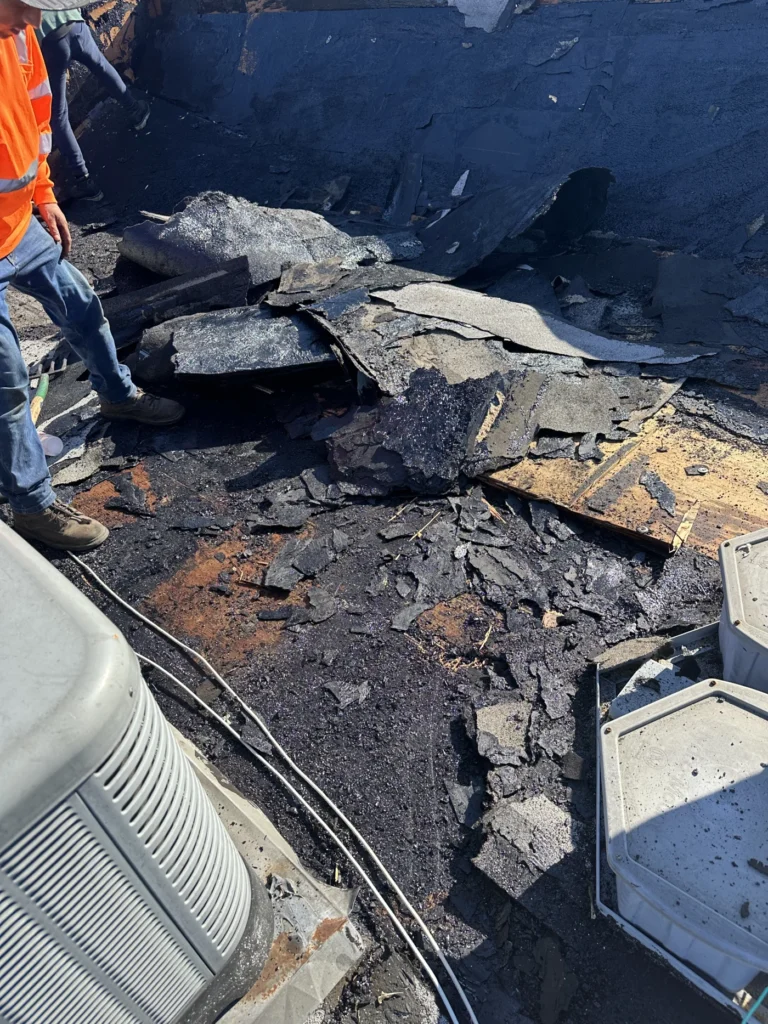
5 Signs It's Time to Re-Roof (Not Just Repair) in San Diego
How to tell the difference between a $600 repair and a full roof replacement — from granule loss and cracked underlayment to sagging decking. A San Diego homeowner's field guide.
Read article
Shingle Roof Replacement in Chula Vista: 2026 Homeowner's Guide
What Chula Vista homeowners actually pay for a shingle roof replacement in 2026 — GAF systems, timing, permits, and how to choose a certified installer.
Read article
How to Choose a Roofing Contractor in San Diego (2026 Homeowner's Guide)
The 12-point checklist San Diego homeowners use to hire the right roofing contractor — CSLB license verification, insurance, factory certifications, warranty tiers, and the red flags that separate real roofers from storm chasers.
Read articleReady for a Free Estimate?
Talk to a senior consultant today. On-site assessment, drone imagery, transparent pricing.